Road Damage Is Up. Are you Covered?
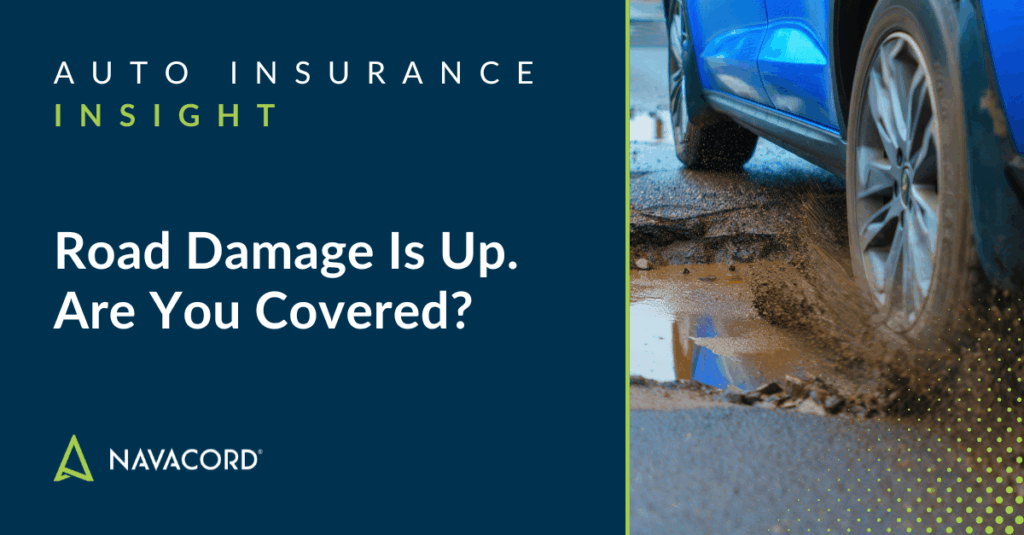
Canadian drivers have always dealt with rough roads, but the frequency and severity of hazards are increasing. Stronger freeze–thaw cycles, aging infrastructure and climate driven weather volatility are producing larger potholes, more road debris and, in certain regions, landslide disruptions. While damage can occur in seconds, determining who pays—your insurer, a municipality, a province or you—is far less straightforward.
From Alberta’s major corridors to British Columbia’s mountain highways and Ontario’s heavily trafficked urban roads, these hazards now represent a year-round exposure for both personal and commercial auto owners. Understanding how insurance responds is essential to managing risk and cost.
Potholes: A Growing National Problem
Potholes develop when water penetrates pavement, freezes, expands and melts, eventually causing the surface to collapse under vehicle weight. Increased climate variability has intensified this cycle. Toronto alone repaired tens of thousands of potholes by early 2025, reflecting deteriorating road conditions seen across Canada.
Pothole impacts commonly damage tires, rims, suspension systems and exhaust components. Electric vehicles face additional exposure, as battery trays are positioned close to the road surface and can be affected by both impact and saltwater intrusion.
Insurance response
Pothole damage is typically treated as a collision type loss, because the vehicle strikes the road surface itself.
- Collision or all perils coverage is generally required.
- Comprehensive coverage usually does not apply.
- A deductible must be paid before coverage responds.
In public insurance provinces such as Manitoba and Saskatchewan, similar principles apply. Road hazard losses fall under optional physical damage coverages, subject to provincial rules and exclusions.
Municipal responsibility
Recovery from municipalities or provinces is possible but limited. Most jurisdictions require proof of negligence—meaning the authority failed to meet prescribed maintenance or response standards. In British Columbia, for example, pothole claims against the province are only payable when negligence by the ministry or its contractors can be proven, which presents a high threshold.
Landslides: Regional but High Severity
Landslides are less common but present serious risk in mountainous and coastal regions, particularly in British Columbia. They can deposit debris onto roadways or directly impact vehicles.
Damage from active landslides generally falls under comprehensive or all perils coverage, as these events are outside a driver’s control. Falling objects, earth movement and severe weather related hazards are typically included in these protections. As with potholes, provincial compensation depends on clear evidence that required monitoring or maintenance standards were not met.
Road Debris: How the Loss Occurs Matters
Road debris includes rocks, cargo fallen from vehicles, tree branches, construction materials or broken pavement.
Debris strikes your vehicle (such as a rock hitting a windshield): This is usually a comprehensive claim, often with a lower deductible. Many policies waive deductibles for windshield repairs.
You strike debris on the road (such as a ladder or fallen branch): This is typically a collision claim, subject to collision deductibles and potential premium impact.
Accurate and timely documentation remains critical in both scenarios.
Provincial Variations
- Ontario: Collision and all perils coverages are optional but strongly recommended. Municipal claims are subject to strict notice requirements and proof of negligence.
- British Columbia: ICBC treats pothole damage as an optional collision claim. Claims against the province require evidence that maintenance standards were breached.
- Prairie Provinces: Manitoba Autopac and Saskatchewan SGI require optional physical damage coverage for road hazard claims, with deductibles and exclusions set by provincial guidebooks.
- Quebec: Industry and consumer groups consistently highlight the high cost of pothole related tire, rim and suspension repairs, reinforcing the need for adequate coverage.
Why Brokerage Expertise Matters
Auto repair costs continue to rise due to inflation, parts tariffs and the increasing complexity of modern and electric vehicles. Navacord’s market insights show that savings are difficult to achieve in auto insurance, making informed coverage decisions more important than ever.
Broker guidance helps clients optimize deductibles, avoid unnecessary claims, understand when municipal recovery may apply and address emerging risks such as EV specific damage. The broker’s role is to deliver long-term value, not just short-term pricing.
Conclusion
Damage from potholes, landslides and road debris is increasing across Canada. Insurance typically provides a path to reimbursement, but outcomes depend on having the right coverage and navigating the claims process effectively. Collision or all perils coverage is essential for most road hazard losses, while comprehensive coverage plays a key role when debris strikes your vehicle. Working with a Navacord broker helps ensure your coverage aligns with today’s evolving road risks.
To download the insight, click here.